Last Updated: October 25, 2026
Quick Summary
The first sign of a piercing rejecting is jewelry sitting differently than it did on day one, with skin over it thinning and turning papery. Watch for migration toward the surface, a bar showing more length, lingering redness, flaking skin, and a calloused ridge where the jewelry presses.
- Rejection rarely hurts, so take a clear photo every two weeks in the same light and angle.
- A rejecting piercing keeps getting worse in one direction, while irritation comes and goes with aftercare.
- You cannot reverse rejection once the skin starts thinning, so removal is usually the right call.
- Downsize a too-long bar that is catching and dragging, and keep cleaning with saline.
- Prevention comes down to correct placement for your anatomy and jewelry that fits with room to swell.
Table of Contents
- Piercing Rejection Signs: What to Look For
- Piercing Rejection vs Irritation: Key Differences
- How to Treat a Rejecting Piercing
- Frequently Asked Questions
Piercing Rejection Signs: What to Look For
The first sign of a piercing rejecting is jewelry sitting differently than it did on day one. At Sideshow Tattoo and Piercing, we tell clients to watch the channel closely, rejection is slow and easy to miss.
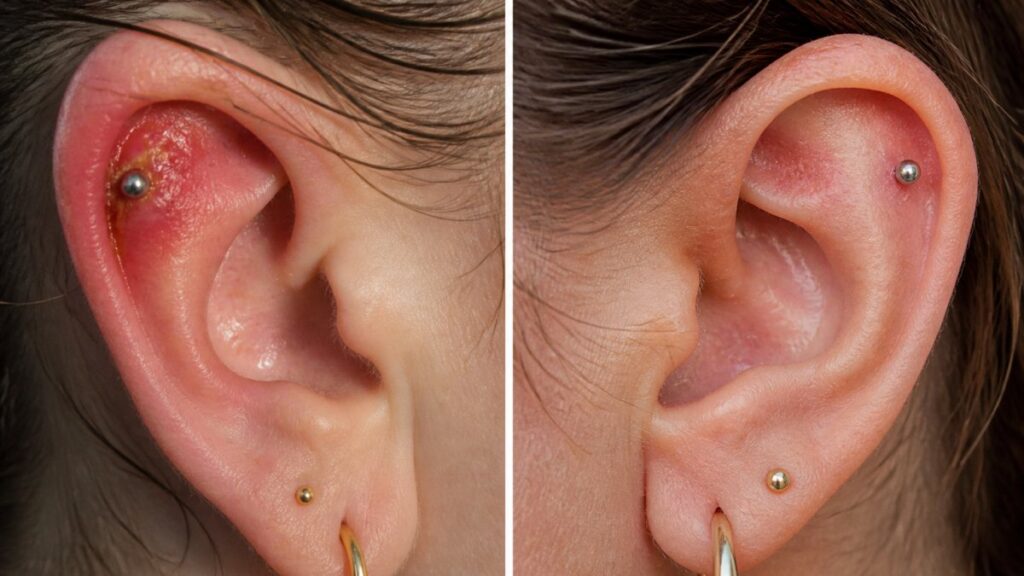
Watch for jewelry looking more visible as skin thins and turns papery, migration toward the surface, a bar showing more length, lingering redness or itchiness, flaking skin, and a calloused ridge where the jewelry presses.
Surface and navel piercings reject most often because the jewelry sits shallow in tissue that flexes. Cartilage can migrate too, though less commonly.
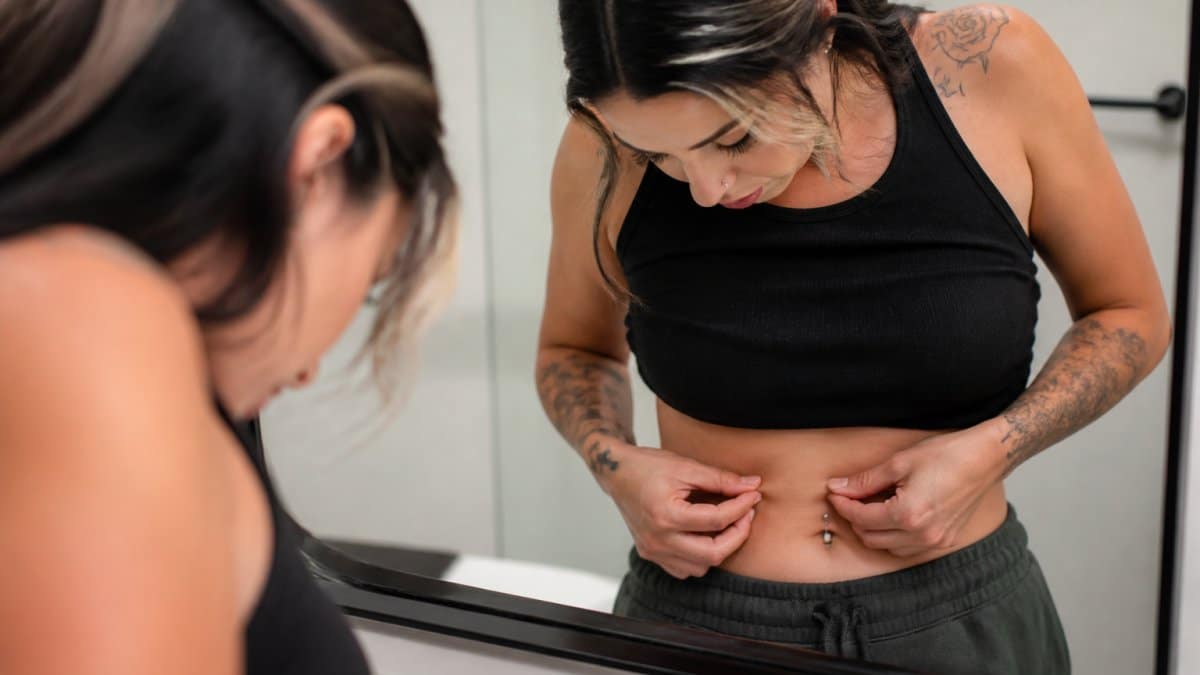
Rejection rarely hurts, so take a clear photo every two weeks in the same light and angle to catch migration early.
Piercing Rejection vs Irritation: Key Differences
A rejecting piercing keeps getting worse in one direction, while irritation comes and goes with your aftercare. Irritation flares after friction or a snag, then calms once you fix the cause; rejection does not calm down, the skin keeps thinning. Infection brings spreading redness, heat, thick yellow or green discharge, and fever.
| Sign | Irritation | Rejection | Infection |
|---|---|---|---|
| Skin over jewelry | Normal thickness | Thin, shiny, transparent | Swollen, hot |
| Jewelry position | Unchanged | Moving toward surface | Unchanged |
| Pattern | Comes and goes | Steady progress | Gets worse quickly |
Unsure whether it is rejection or a jewelry allergy? Our guide on infection vs jewelry allergy walks through the differences.
How to Treat a Rejecting Piercing
You cannot reverse rejection once the skin starts thinning. Removal is usually the right call, and the earlier you act, the less scarring you keep.
Stop by for an assessment so a professional piercer can confirm migration and check your jewelry fit and material. Downsize a too-long bar that is catching and dragging, keep cleaning with saline, and do not twist, turn, or sleep on it. If thinning continues, remove the jewelry, leaving it in risks a split scar, and let the site heal fully before repiercing.
Waiting “just another week” is the most common mistake. Skin that has gone transparent rarely recovers, and a scar through a shallow channel makes the next placement harder.
For daily cleaning, our suggested aftercare for body piercings covers the full routine. Before you rebook, read our guide to what makes high quality piercing jewelry. When you are ready to have someone look at it in person, contact us or walk in. Not sure who should touch it? Learn how to verify a piercer is certified first.
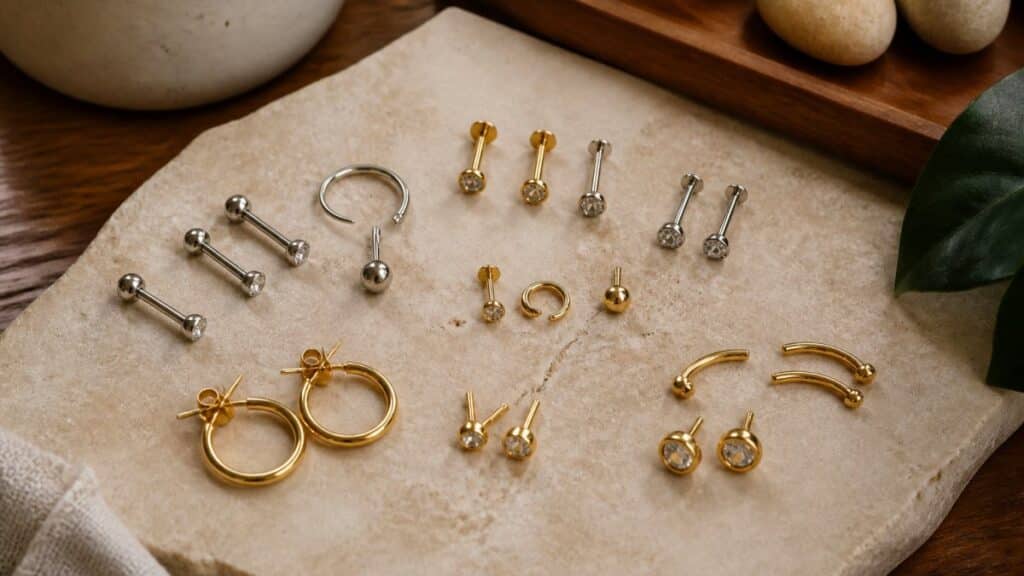
Prevention comes down to correct placement for your anatomy, jewelry that fits with room to swell but not to catch, and a material your body tolerates, titanium and solid gold are safer picks. Keep pressure off the site, sleep with a travel pillow for ear piercings, and do not skip the downsizing appointment.
Frequently Asked Questions
Is my piercing rejecting or just irritated?
Irritation causes redness, swelling, and soreness but the jewelry stays in the same position. Rejection involves migration: the jewelry moves closer to the surface, skin thins, and the bar becomes more visible. If you see the piercing channel shifting, it is likely rejecting rather than just irritated. A professional piercer can confirm the difference.
What is the most common piercing to reject?
Surface piercings, including navel and eyebrow piercings, reject most often because they sit in shallow tissue. Cartilage piercings can also reject if placed poorly or fitted with low-quality jewelry. Choosing a skilled piercer and high-quality jewelry reduces the risk.
Should I remove jewelry from a rejecting piercing?
Yes, removing the jewelry early can limit scarring and preserve tissue for a future repiercing. Leaving it in allows rejection to continue and may cause worse scarring. See a professional piercer to remove it safely and discuss aftercare.
A piercing that is migrating will not fix itself, and guessing costs you skin you cannot get back. At Sideshow Tattoo and Piercing, our piercers use quality jewelry, check fit and placement before you leave, and welcome walk-ins when something looks off. Get started with Sideshow Tattoo and Piercing and get a straight answer about your piercing.