Table of Contents
- How to Test Jewelry for Nickel at Home
- Does Sterling Silver Contain Nickel, and Is 14k Gold Nickel Free?
- Nickel-Free Metals for Jewelry and How to Verify a Claim
- Frequently Asked Questions
Last Updated: October 6, 2026
How to Test Jewelry for Nickel at Home
Nickel is the most common cause of allergic contact dermatitis from jewelry, so knowing how to tell if jewelry is nickel free matters before you buy. Nickel-free jewelry contains little or no nickel, or releases too little at the skin to react. Beyond the immediate concern of skin reactions, identifying quality jewelry requires a broader assessment of material durability and craftsmanship that ensures your investment lasts.
A dimethylglyoxime test kit is the most reliable at-home check: swab the metal, apply the liquid, and watch for pink, pink means nickel is releasing.
A negative result is not a lifetime guarantee. The test reads the surface only; once plating wears thin, the base metal underneath can start releasing nickel.
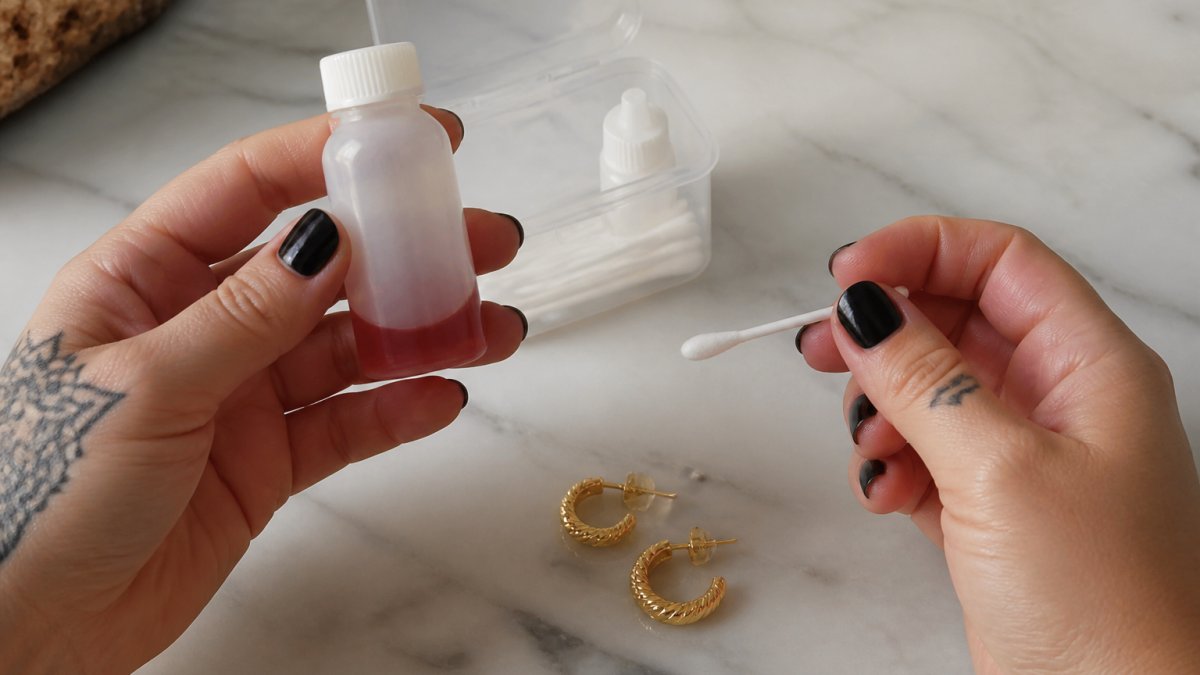
How to test jewelry for nickel at home, step by step
- Wipe the piece to remove oils and lotion.
- Press the swab against the metal for a few seconds.
- Add a drop of test liquid.
- Watch for pink or magenta within a minute.
- Repeat on clasps, posts, and the back.
What the test cannot tell you
Home kits measure nickel release, not total content, and miss nickel under a coating or behind a “hypoallergenic” label. If a seller claims a piece is nickel free, ask for the material in writing.
Does Sterling Silver Contain Nickel, and Is 14k Gold Nickel Free?
Sterling silver is 92.5% silver and 7.5% other metals, and that 7.5% sometimes includes nickel. Pure 24k gold contains no nickel, but 14k gold is an alloy, and white gold is often blended with nickel; yellow and rose gold usually use copper and zinc.
| Metal | Common Nickel Content | Good for Sensitive Skin? |
|---|---|---|
| 24k gold | None | Yes |
| 14k white gold | Often | Sometimes |
| Titanium | None | Yes |
The purer the metal, the lower your risk; platinum and palladium top the list.
White gold is the trap most shoppers fall into: it looks safest on the shelf but is the gold variant most likely to contain nickel. If you want white metal and have a nickel allergy, ask for palladium or platinum.
Nickel-Free Metals for Jewelry and How to Verify a Claim
Nickel-free metals for jewelry fall into a few reliable groups: titanium, niobium, platinum, palladium, and fine silver. Titanium and niobium are the workhorses for new piercings.
Knowing how to tell if jewelry is nickel free takes more than reading a label. “Hypoallergenic” is a marketing word, not a regulated standard (the FDA). FDA guidance on jewelry and metal allergies notes that reactions to jewelry metals are common and that consumers should treat vague claims with care.
- Ask for the exact metal, not the finish.
- Request a written statement you can keep.
- Check whether the piece is plated or solid.
The single most useful question to ask any jeweler is “what is the base metal?” Plating hides the answer, but the base metal decides whether your skin reacts.
When to bring a reaction to a professional
If a piercing stays red, itchy, or swollen for more than a few days, stop wearing the piece and have a piercer look at it.
Lead-free and nickel-free are different claims: a piece can be lead-free and still contain nickel, so ask about both.
Frequently Asked Questions
Can a home test detect nickel in jewelry?
A dimethylglyoxime test kit can detect nickel release on the surface of an item, which is what matters for skin contact. Swab the area that touches your skin, then apply the reagent. A pink color change means nickel is present and releasing. A negative result is not a guarantee, because the test only checks the spot you swabbed and cannot see nickel buried under plating or inside an alloy.
Does hypoallergenic jewelry mean nickel-free?
No. “Hypoallergenic” is a marketing term with no legal definition, so it does not confirm a piece is nickel-free. A seller may use it to mean the item is less likely to cause a reaction, not that it contains no nickel. Ask for the specific metal or alloy instead, and look for terms like titanium, niobium, or surgical stainless steel, which are common nickel-free jewelry choices.
What should you do if jewelry causes an itchy rash?
Remove the piece right away and clean the area with mild soap and water. An itchy rash, redness, or small bumps where the metal touched your skin often points to contact dermatitis from nickel release. Do not put the item back on until you confirm its metal content. If the rash spreads, blisters, or does not improve in a few days, see a doctor, since a pierced-ear reaction can get infected.
A stubborn rash that keeps coming back is a sign the metal, not your skin care, is the problem. If you are tired of guessing which earrings are safe, come see us at Sideshow Tattoo and Piercing. We pierce with high-quality jewelry chosen for sensitive skin, our artists check every placement for fit and comfort, and we walk you through aftercare so your piercing heals the way it should. Get started with Sideshow Tattoo and Piercing and wear your jewelry without the itch.